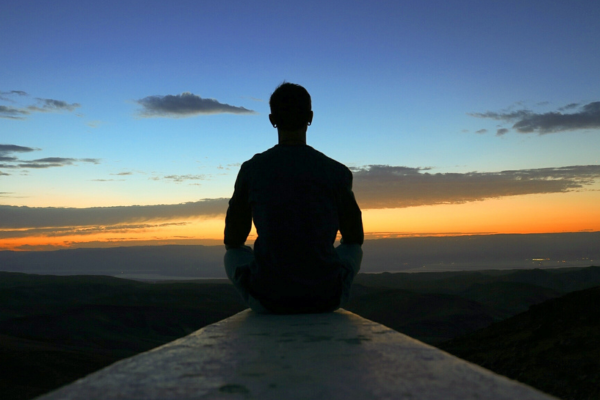
The world is filled with subtle energies that permeate every aspect of our lives. These energies can influence our physical, emotional, and spiritual health, playing a fundamental role in our overall well-being. As we seek ways to promote balance and healing in our lives, we come across Reiki, an ancient practice of energy healing that awakens the self-healing potential of the body and mind. In this article, we will explore the fascinating world of Reiki, its origins, principles, and benefits, as well as its practical application in our quest for harmony and well-being.
The Origins and Philosophy of Reiki
Reiki has its roots in Japan, where it was developed by Mikao Usui in the early 20th century. The word “Reiki” is composed of two kanji characters: “rei,” which means “universal,” and “ki,” which refers to the life force energy that flows through all living beings. The philosophy of Reiki is based on the concept that universal energy can be channeled and directed by a qualified practitioner to promote physical, mental, and emotional healing.
The Principles of Reiki
Reiki is grounded in five simple principles that serve as guides for practice and daily life. These principles are:
- Just for today, do not worry – cultivating trust in the natural flow of life and releasing anxiety about the future.
- Just for today, do not anger – promoting inner peace and avoiding the waste of energy in anger and resentment.
- Just for today, be grateful – cultivating gratitude for all the blessings in life and focusing on the positive.
- Just for today, work with dedication – seeking self-development and contributing to the well-being of others.
- Just for today, be kind to all living beings – nurturing compassion and unconditional love in all interactions.
The Benefits of Reiki
Reiki offers a wide range of benefits for the body, mind, and spirit. As a holistic healing practice, Reiki promotes deep relaxation, reduces stress and anxiety, strengthens the immune system, alleviates physical pain, and fosters emotional balance. Additionally, Reiki can aid in the release of energy blockages, stimulating the free flow of life force energy and restoring balance in the body’s chakras and meridians.
The Attunement Process and Practice of Reiki
To become a Reiki practitioner, one must go through an attunement process in which the Reiki master transfers the ability to channel energy to the student. After the attunement, the practitioner is able to access and direct Reiki energy to themselves and others. The practice of Reiki involves gentle hands-on placements on specific areas of the body, allowing the energy to flow and stimulate the healing process. Reiki can also be applied remotely, sending energy to individuals, situations, or even the past or future.
Reiki and Self-Healing
One of the most powerful aspects of Reiki is its ability to awaken the self-healing potential of the body and mind. By channeling Reiki energy to oneself, the practitioner can release energy blockages, balance the chakras, and stimulate healing on all levels. Regular practice of Reiki promotes greater self-awareness, allowing individuals to reconnect with their own inner wisdom and find the path to balance and harmony.
Reiki in the Community and Global Healing
In addition to its individual use, Reiki can also be applied in communities and global healing. Many Reiki practitioners offer sessions in hospitals, clinics, and wellness centers, complementing conventional treatments with the therapeutic benefits of Reiki. Furthermore, Reiki can be sent collectively to crisis situations, conflicts, or natural disasters, with the aim of bringing healing, peace, and harmony to all involved.
The Levels and Branches of Reiki
Reiki is a practice that offers different levels of learning and deepening. Each level brings new knowledge and skills to the practitioner, allowing for a deeper connection with Reiki energy. Let’s explore the main levels and some of the most well-known branches of Reiki.
• Level 1: In Reiki Level 1, students are attuned and empowered to channel Reiki energy to themselves and others. They learn basic hand positions and begin to develop their energetic sensitivity.
• Level 2: Reiki Level 2 deepens the practitioner’s knowledge and skills. At this level, students learn sacred Reiki symbols that amplify and direct the energy. They also learn distant Reiki, enabling them to send energy to individuals, situations, or even the past or future.
• Level 3a: Level 3a, also known as “Practitioner/Master,” is a stage of further enhancement and deeper commitment to Reiki practice. Students learn advanced symbols and additional healing techniques. They have the ability to work with more intense Reiki energy and can initiate others into Reiki at levels 1 and 2.
• Level 3b (Master/Teacher): Level 3b, also known as “Master/Teacher,” is the highest level of Reiki. At this level, practitioners are empowered to teach and initiate others into Reiki at all levels, including the Master/Teacher level. They acquire advanced knowledge of Reiki practice and deepen their commitment as mentors and guides for other practitioners.
Branches of Reiki
• Traditional Usui Reiki: This is the original form of Reiki, based on the teachings of Mikao Usui. This branch follows the principles and techniques transmitted by the founder of Reiki himself.
• Karuna Reiki: Karuna Reiki is a branch of Reiki that incorporates additional symbols and techniques for deeper healing. It is known for working with more subtle energies and assisting with emotional and spiritual issues.
• Shamanic Reiki: Shamanic Reiki combines the principles of Reiki with shamanic teachings and practices. This approach integrates elements from nature, such as power animals, sacred plants, and shamanic rituals, to provide healing and connection with the spiritual world.
• Christian Reiki: Christian Reiki combines Reiki practices with the Christian faith. Practitioners of this branch incorporate Christian prayers and religious symbols into their energy healing practice.
• Tibetan Reiki: Tibetan Reiki combines the traditional Reiki system with elements from Tibetan tradition, including mantras, meditations, and specific techniques. This approach seeks a deep connection with the wisdom and spiritual teachings of Tibet.
Conclusion
Reiki offers a fascinating path of healing and spiritual growth. Through the different levels and branches of Reiki, practitioners have the opportunity to deepen their connection with universal life force energy and expand their healing capacity. Whatever form or level one chooses, Reiki invites us to embark on a journey of self-discovery, balance, and transformation. May Reiki be a blessing in our lives, guiding us towards inner harmony, well-being, and a deeper connection with the divine.